Problem-Solving
Adequate Tree Maintenance Plans: How Annual Inspections Prevent Catastrophic Failures
By Master Tree RemovalMarch 18, 20266 min read
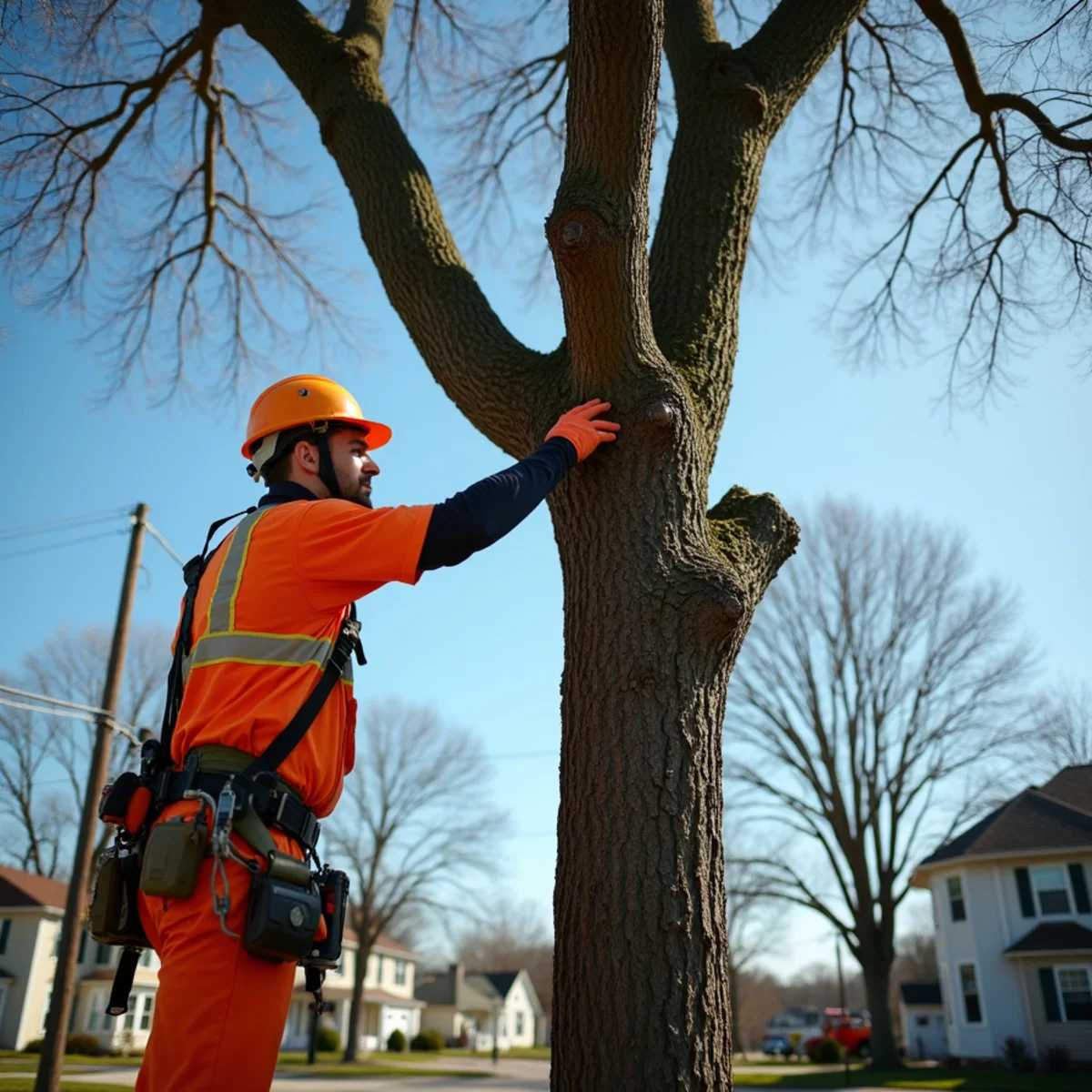
The big oak in the back yard rarely fails out of nowhere. Deadwood accumulates, a crack develops, the soil lifts on one side, a limb grows dangerously end-heavy. The failure that finally comes through the garage roof was usually months or years in the making — and visible to a trained eye long before it happened. That is the whole case for a maintenance plan.
A plan is really just prevention on a schedule, so it works hand in hand with a pre-winter safety checklist and with cabling that saves a structurally weak tree before it fails.
What a Plan Includes
An adequate residential tree care plan typically covers an annual or seasonal inspection of your significant trees, scheduled structural and deadwood pruning, early detection of decay and disease, and priority scheduling when storms hit. The point is to catch problems while they are small, cheap, and easy to address.
Timed to New Jersey’s Seasons
We schedule preventive work before spring growth, ahead of summer thunderstorms, and before fall and winter nor’easters. After heavy rain we check for lean, lifted soil, and exposed roots — especially on lots near creeks and low ground. In master-planned communities like West Windsor, where trees ring retention ponds, that seasonal rhythm matters.
The Signs an Inspection Catches
- Deadwood over a roof, driveway, or play area
- Vertical trunk cracks, seams, or cavities
- A developing lean or lifted soil at the base
- Co-dominant stems with included bark, prone to splitting
- Early ash decline from emerald ash borer
None of these has to become an emergency. Caught early, most are a quick prune or a monitoring note — not a crane job.
Especially Worth It for Heritage Trees
On Princeton-area estates with protected specimen trees, a plan does double duty: it keeps beloved old trees healthy and safe, and it documents responsible care for ordinance and liability purposes. For busy homeowners, it simply means never having to wonder whether that big tree is a problem — because we are already watching it.
Want your trees handled so you don’t have to think about them? Ask us about a maintenance plan.
What a Maintenance Plan Actually Covers
- Annual (or seasonal) inspection of every significant tree on the property.
- Scheduled structural and deadwood pruning before it becomes a hazard.
- Early detection of decay, disease, and storm-risk defects.
- Priority scheduling when a storm hits and demand spikes.
A Season-by-Season Rhythm for New Jersey
| Season | What we do |
|---|---|
| Late winter / pre-spring | Structural pruning while trees are dormant |
| Early summer | Deadwood and clearance ahead of thunderstorms |
| Fall | Risk assessment before nor'easter season |
| After heavy rain | Check for lean, lifted soil, exposed roots |
Most catastrophic failures give warning months out. A plan catches them while they're a cheap prune, not a crane call. Explore residential tree care and pruning, or call (855) 615-0568 to set one up for your West Windsor or Mercer County property.
The Failures a Plan Catches Before They Happen
The value of a maintenance plan is easiest to see in the failures that never make the news because they were caught first. On inspection we're reading a tree the way a mechanic reads an engine — looking for the small signals that predict the big problem:
- Deadwood accumulating in the upper canopy — the limbs that come down first in a storm.
- Included bark in a co-dominant union — a split waiting for the right wind.
- A subtle lean or fresh soil heave — early root-plate movement.
- Fungal conks at the base — a sign of internal decay you can't see from the canopy.
- Girdling roots or grade changes — slow stressors that shorten a tree's life.
None of these is an emergency the day we spot it. Each becomes one if it's ignored. A timely prune or a support cable handles most of them for a fraction of what a failure over the roof costs.
Why it pays off for busy homeowners
For most homeowners the real benefit isn't a line-item savings — it's not having to think about the big oak out back at all. We're already watching it, we know its history year to year, and we schedule the work at the right season instead of scrambling after a storm. Plan members also get priority when demand spikes, which is exactly when everyone else is calling. Whether it's a wooded lot in West Windsor or a pair of heritage trees in Princeton, a plan turns tree care from a reactive scramble into a managed, predictable part of owning the property. See our residential tree care for how we tailor one.
What a First Inspection Actually Covers
The baseline visit is where a plan earns its keep, because it turns "that big tree out back" into a known quantity. We walk every significant tree on the property and assess it top to bottom: the canopy for deadwood and dieback, the branch structure for weak unions and included bark, the trunk for cracks, cavities, and fungal conks, and the base and root flare for girdling roots, soil heave, or signs of decay. We note the species, the approximate size, the targets beneath each tree, and any defect worth watching.
That inventory becomes the plan. A tree with heavy deadwood over the driveway gets scheduled for a prune; a co-dominant leader with included bark might get a support cable; a declining ash gets flagged for removal before it turns brittle. Everything else gets a monitoring note so we can track it year over year — a lean that's stable versus one that's progressing tells us very different things.
Over time, that history is the real value. We know your trees, their quirks, and their trajectory, so we catch the slow changes that a one-off crew never would. Preventive pruning happens in the right season, storm-vulnerable limbs come off before the storm, and you get priority scheduling when everyone else is scrambling. For a wooded lot in West Windsor or heritage trees in Princeton, that's the difference between managing your trees and reacting to them. Our care plans and pruning are built around it — call (855) 615-0568 to start with a baseline inspection.