Problem-Solving
Combining Tree Removal with Hardscaping and Stonework: Transforming Your Outdoor Space
By Master Tree RemovalApril 8, 20266 min read
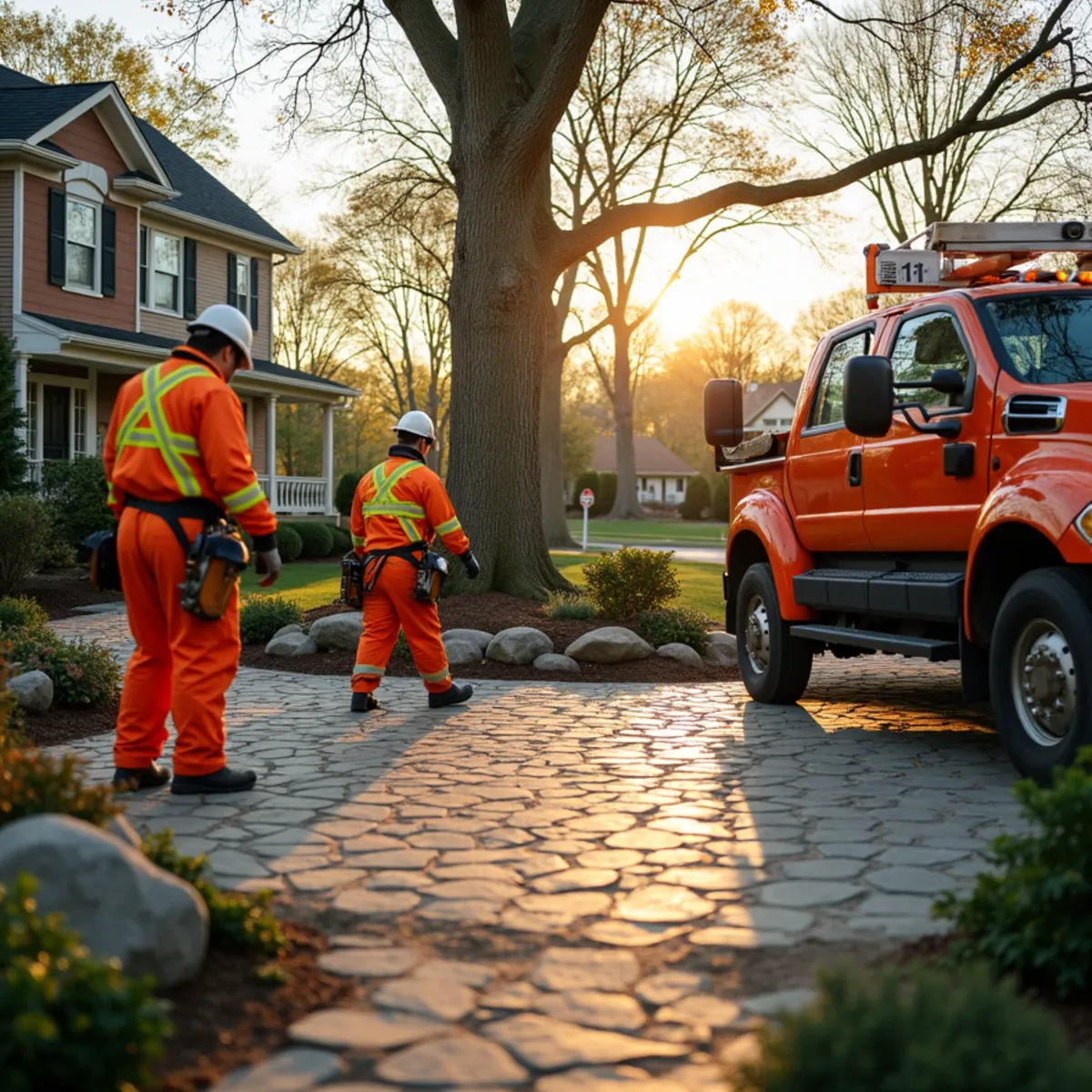
Removing a tree often reveals an opportunity. That shady, root-choked corner where nothing would grow becomes, once the stump is gone, the perfect spot for a patio, a retaining wall, or a clean new planting bed. The trick is planning the removal and the hardscape together — which is exactly why homeowners increasingly ask one company to handle both.
The transition from tree to finished space runs through the ground itself — the grinding-vs-excavation decision under the new base, and the roots that lift slabs and walls if they're left unmanaged.
Why One Crew Matters
When the tree crew and the hardscape crew are the same team, grading, drainage, and root removal are planned as a single project. There is no second contractor guessing at what is underground, no finger-pointing when a root turns up under the patio base. Our landscaping, hardscaping, and stonework service carries the project from problem tree to finished space.
From Stump to Slate
The sequence is straightforward: remove the tree, grind the stump below grade, address the roots and grade the area, then build. Because we already know what is in the ground, base prep is done right the first time — the detail that decides whether a patio still looks level in ten years.
What You Can Build
- Patios and walkways in pavers or natural stone
- Retaining walls that hold a slope or terrace a bluff-front lot
- Planting beds and full property restoration
- Natural stonework that suits the character of the home
In estate areas like Princeton and historic Lawrence Township, matching materials to the property is part of the job — stonework that looks like it has always been there.
Built for NJ Weather
Proper base preparation and drainage aren’t optional in New Jersey, where freeze-thaw cycles heave anything built on a poor foundation. We build for the climate so the feature lasts. And when the project is done, our yard care crew leaves the whole space clean and finished.
Thinking about what could replace that tree? Let’s plan the removal and the new space together.
The Right Order of Operations
- Remove the tree and rig it clear of the work area.
- Grind the stump and roots deep enough for the new base.
- Grade and address drainage so water moves away from the house.
- Build the feature on a properly compacted base.
Because the same crew handles the removal, stump grinding, and hardscaping, nobody's guessing at what's underground.
Materials and Drainage That Survive NJ Winters
Freeze-thaw is what wrecks a cheap patio. The fix isn't the pavers you see — it's the base you don't: proper depth, compaction, and drainage so water can't pool and heave. We match materials to the property (natural stone suits historic Princeton and Lawrence homes) and build for the climate. Thinking about what could replace that tree? Call (855) 615-0568.
Turning a Problem Corner Into Usable Space
Some of the best outdoor projects start as a headache. The shady, root-choked corner where grass never grew, the spot where a storm-damaged tree finally came out, the slope that erodes every spring — once the tree and stump are gone and the ground is graded, those become the most interesting square footage on the property. A patio, a fire-pit seating area, a low retaining wall that terraces the grade into something usable: the removal is step one of a build, not the end of the story.
The advantage of one crew handling both is that nothing about the ground is a surprise. We already know where the roots ran, how deep we ground them, and how water moves across the spot, so the base for the new feature is planned around real conditions instead of guesses. That's the difference between a patio that stays flat and one that heaves after the first hard winter.
Built for New Jersey's freeze-thaw
The failure mode for cheap hardscaping in this climate is always the same: water gets into a poorly drained, poorly compacted base, freezes, expands, and lifts the surface. The fix is invisible — proper base depth, compaction, and drainage under the pavers or stone you actually see. We build to that standard and match materials to the property, so natural stone suits the historic character of Princeton and Lawrence homes while holding up to real winters. From the removal and stump grinding through the finished hardscape, it's one plan and one crew.
Design Ideas for the Space a Tree Leaves Behind
Once the tree and stump are gone, that corner is a blank canvas — and the options are better than most homeowners expect. A few that come up often on our projects:
- A paver or natural-stone patio where the canopy used to shade out the grass — now a sunny spot for a table or a grill.
- A fire-pit seating area tucked into what was dead space at the edge of the yard.
- A low retaining wall that terraces a slope the roots were holding, turning an awkward grade into a usable bed or level lawn.
- A dry-laid stone path replacing the muddy track that formed where nothing would grow under the tree.
- A raised planting bed with fresh soil, finally free of the root competition that starved everything nearby.
The through-line is that removal opens up light, root-free soil, and room to build — three things the mature tree was quietly monopolizing. Because we handle the removal, the grinding, and the build as one project, the transition is seamless: we grind deep enough for the new base, grade for drainage, and set the feature on properly compacted ground. Matching materials to the home keeps it looking intentional — natural stone for the historic streets of Princeton, clean pavers for a newer Lawrence subdivision. Thinking past the removal? Call (855) 615-0568 and we'll plan the whole thing at once.