Commercial
Commercial Property Tree Management: Mitigating Liability for Fallen Branches in NJ
By Master Tree RemovalJuly 1, 20266 min read
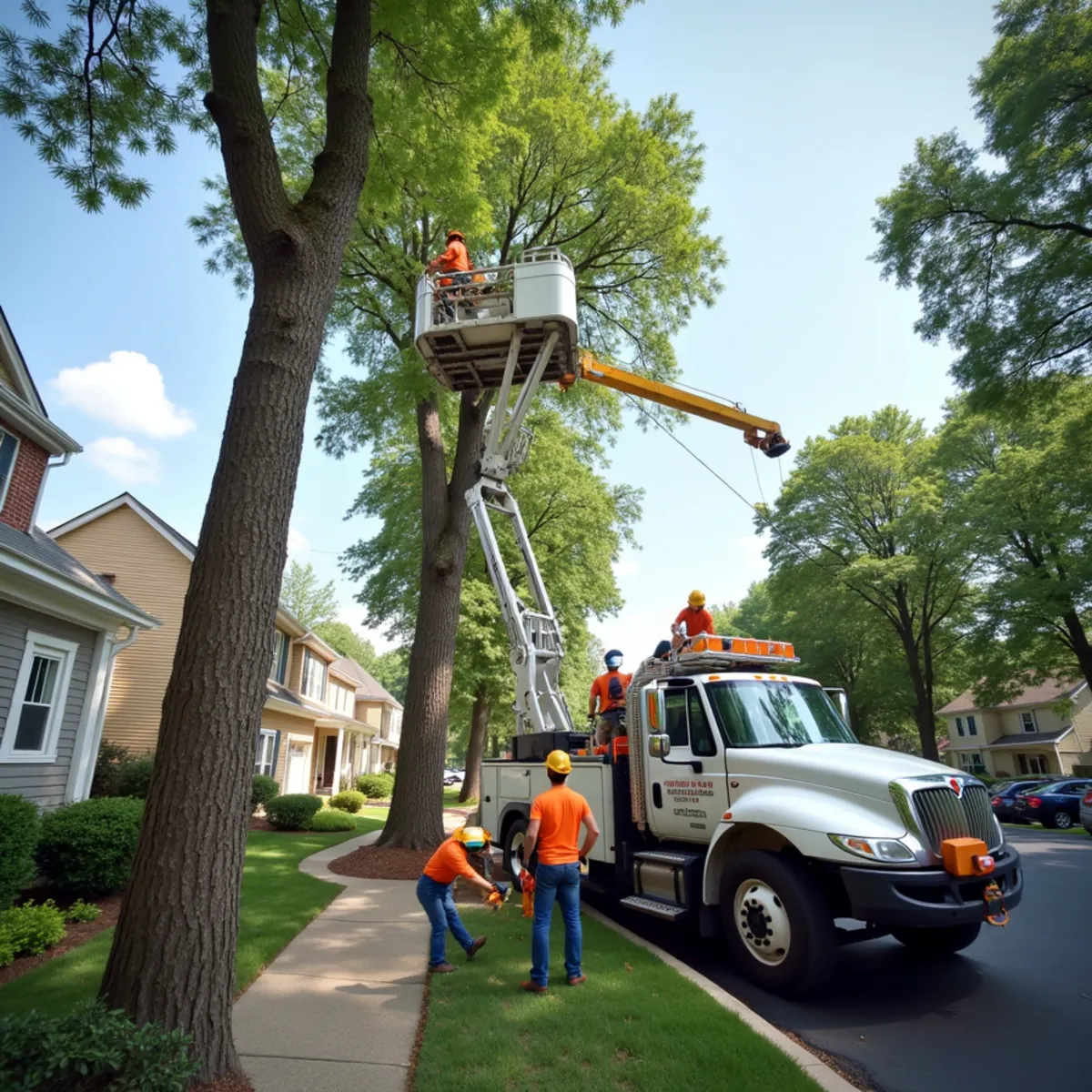
On a commercial property, a tree is a liability question before it is a landscaping one. A limb that fails over a parking lot, walkway, or tenant entrance can mean an injured customer, a damaged vehicle, and a claim that asks one pointed question: did you manage that tree responsibly? Documented tree management is how you answer yes.
For shared and multi-owner properties, this connects directly to HOA tree-care standards, and to the everyday prevention behind both — a documented maintenance program.
The Duty of Care
Property owners and managers have a responsibility to keep their grounds reasonably safe. For trees, that means identifying foreseeable hazards — deadwood, cracks, over-target limbs — and addressing them. A tree that fails is unfortunate; a tree that was visibly hazardous and ignored is a very different situation in a claim.
Documented Hazard Audits
A tree-risk audit does two jobs at once. It flags the specific hazards that could fail and prioritizes them by what sits below — parking areas, entrances, play areas. And it creates a record that you inspected the property and acted. Our commercial grounds management provides exactly this documentation for businesses, HOAs, and property managers across Trenton and the corporate corridors of West Windsor.
Scheduled, Not Reactive
The properties that avoid trouble treat tree care as scheduled maintenance, not emergency response. Regular pruning and clearance keep hazards from developing, and a maintenance schedule keeps the paper trail current. We coordinate work around tenants, customers, parking demand, and delivery routes so operations aren’t disrupted.
When Something Does Come Down
Even well-managed trees fail in a severe storm. Our 24/7 emergency service gives commercial clients priority response to clear hazards and reopen access fast, with full documentation for insurance and records.
Managing a commercial property? Ask us about a documented tree management program that protects your grounds and your liability position.
What a Documented Hazard Audit Includes
- An inventory of trees over parking, walkways, entrances, and play areas
- Condition notes: deadwood, cracks, lean, decay, over-target limbs
- Risk prioritization by what sits below each tree
- A dated record showing the property was inspected and acted upon
Why the Paper Trail Protects You
If a limb ever comes down over a customer or a car, the question is whether you managed the tree responsibly. A documented audit answers it. The properties that avoid trouble treat tree care as scheduled maintenance, not emergency response — regular pruning and clearance keep hazards from developing, and the records stay current. Our commercial management coordinates around tenants and hours across Trenton and the West Windsor corporate corridor, with priority storm response. Managing a property? Call (855) 615-0568.
Building a Defensible Tree-Management Program
For a commercial owner or manager, tree care is risk management with a landscaping side effect. The legal standard is reasonable care: you're expected to identify foreseeable hazards and act on them. A tree that fails is unfortunate; a tree that was visibly hazardous, on a property with no inspection record, is a very different conversation with a claimant's attorney. A documented program is how you stay on the right side of that line.
The backbone is a scheduled, recorded audit. We inventory the trees over the places people and vehicles actually are — parking rows, walkways, entrances, drive lanes, seating and play areas — note each tree's condition, prioritize by what sits below it, and date the record. Repeat it on a cycle and after major storms, and you've built exactly the paper trail that demonstrates responsible management.
Running the work without disrupting the operation
Commercial work lives or dies on scheduling. A crew that closes half the parking lot during lunch rush is a problem, not a service, so we plan around tenants, customers, delivery windows, and business hours — early mornings, evenings, or weekends where that's what it takes. Recurring maintenance keeps hazards from developing in the first place, and priority storm response means a downed tree across your entrance gets cleared fast, with documentation for your carrier. From the Route 1 corridor in West Windsor to properties across Trenton, our commercial management is built to protect both your grounds and your liability position — with certificates of insurance and completion reports on file for every visit.
Budgeting Tree Care as Predictable Operating Cost
The properties that manage trees well treat the work as a planned operating line, not a series of emergencies — and that shift is mostly about budgeting. Scheduled maintenance is predictable: an annual audit, a pruning cycle, and clearance work can be forecast and spread across the year. Deferring all of it until something fails is what produces the ugly surprise — an after-hours removal, a damaged vehicle, maybe a liability claim — all hitting at once and all costlier than the prevention would have been.
A sound program has three budget components: routine scheduled maintenance, a storm contingency for the removals and cleanup that a bad season will bring, and a documentation cost for the audits that protect you legally. For multi-building sites and portfolios, that structure also makes the spend defensible to ownership or a board — you're funding risk reduction on a schedule, not writing blank checks after the fact.
Operationally, the payoff is fewer disruptions and a cleaner liability position. Regular pruning keeps hazards from developing over parking and entrances; documented audits show you acted on what you found; and priority storm response means a downed tree across your entrance gets cleared before it costs you a day of business. From the corporate corridor in West Windsor to properties across Trenton, our commercial management is built to make tree care a managed cost with certificates of insurance and completion reports on file. Call (855) 615-0568 to scope a program.