Local Angles
New Jersey Shade Tree Commission Regulations: Permit Rules in Mercer and Middlesex
By Master Tree RemovalApril 15, 20266 min read
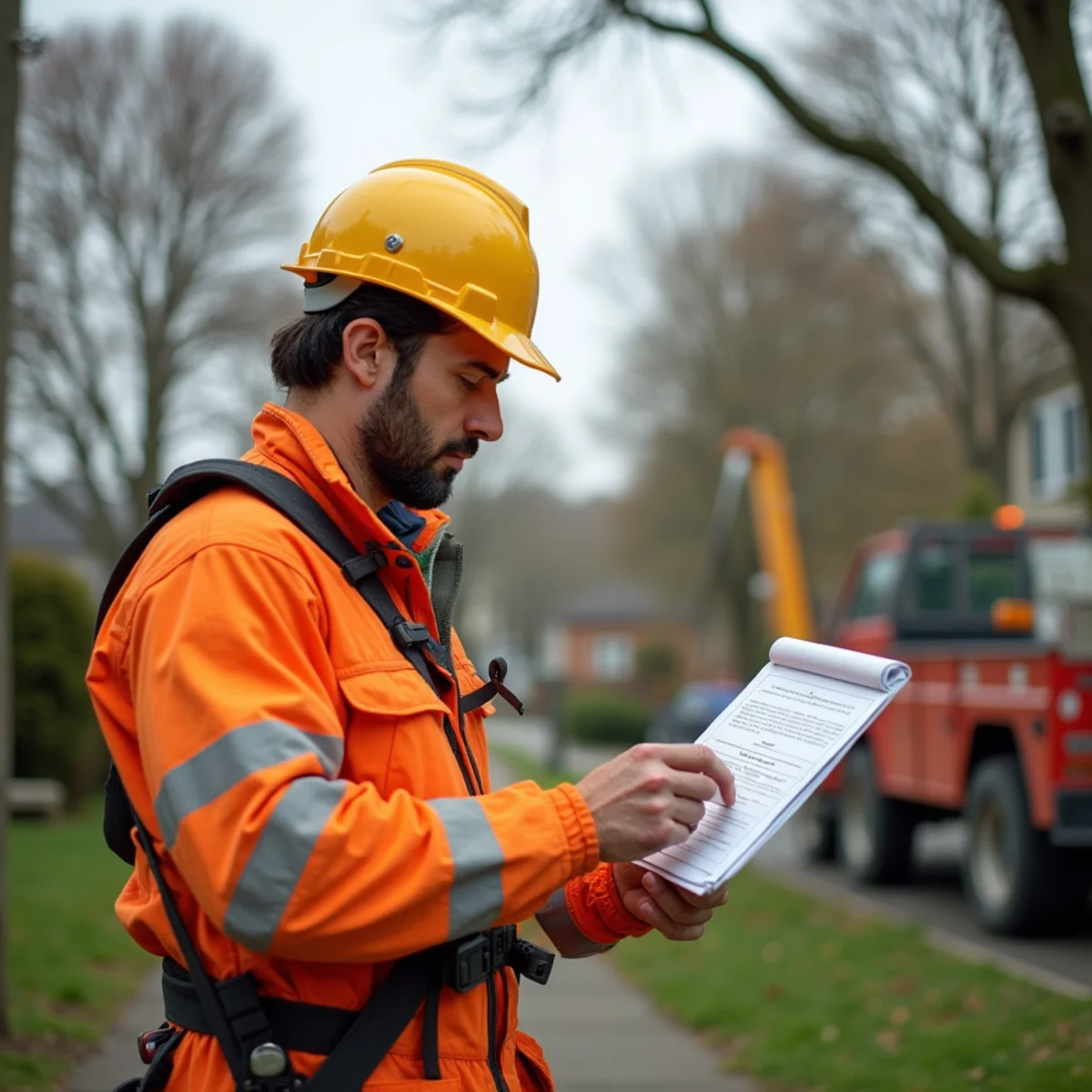
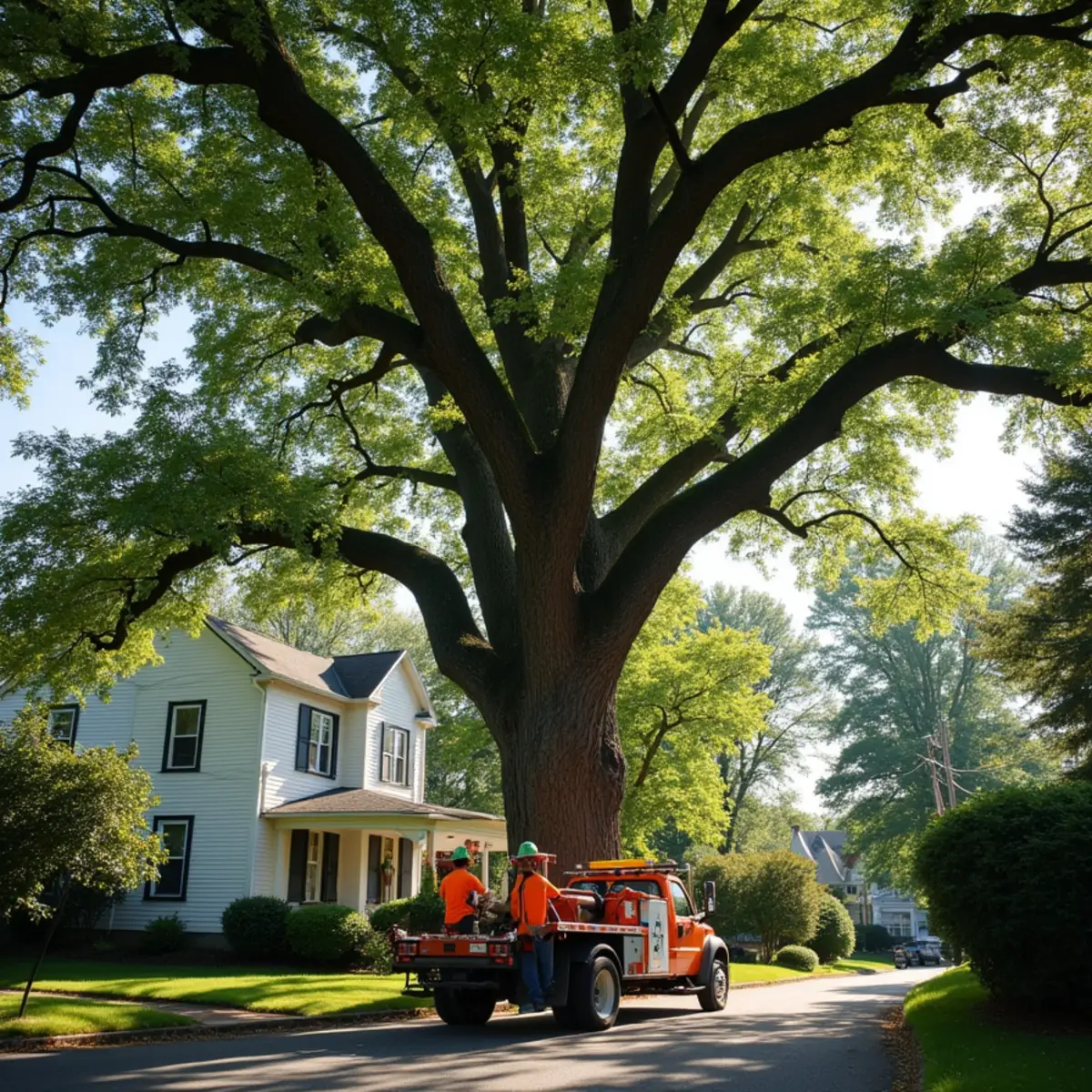
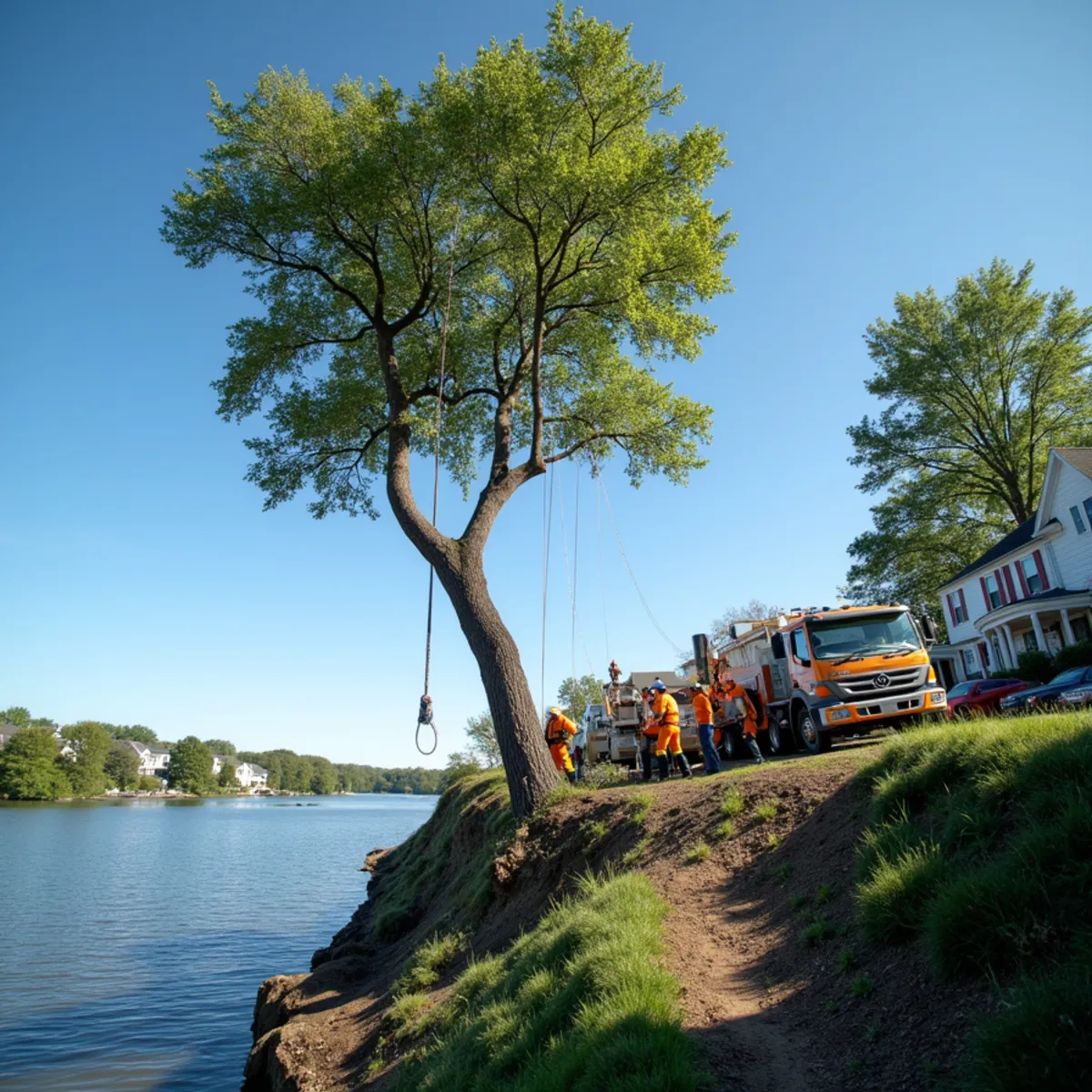
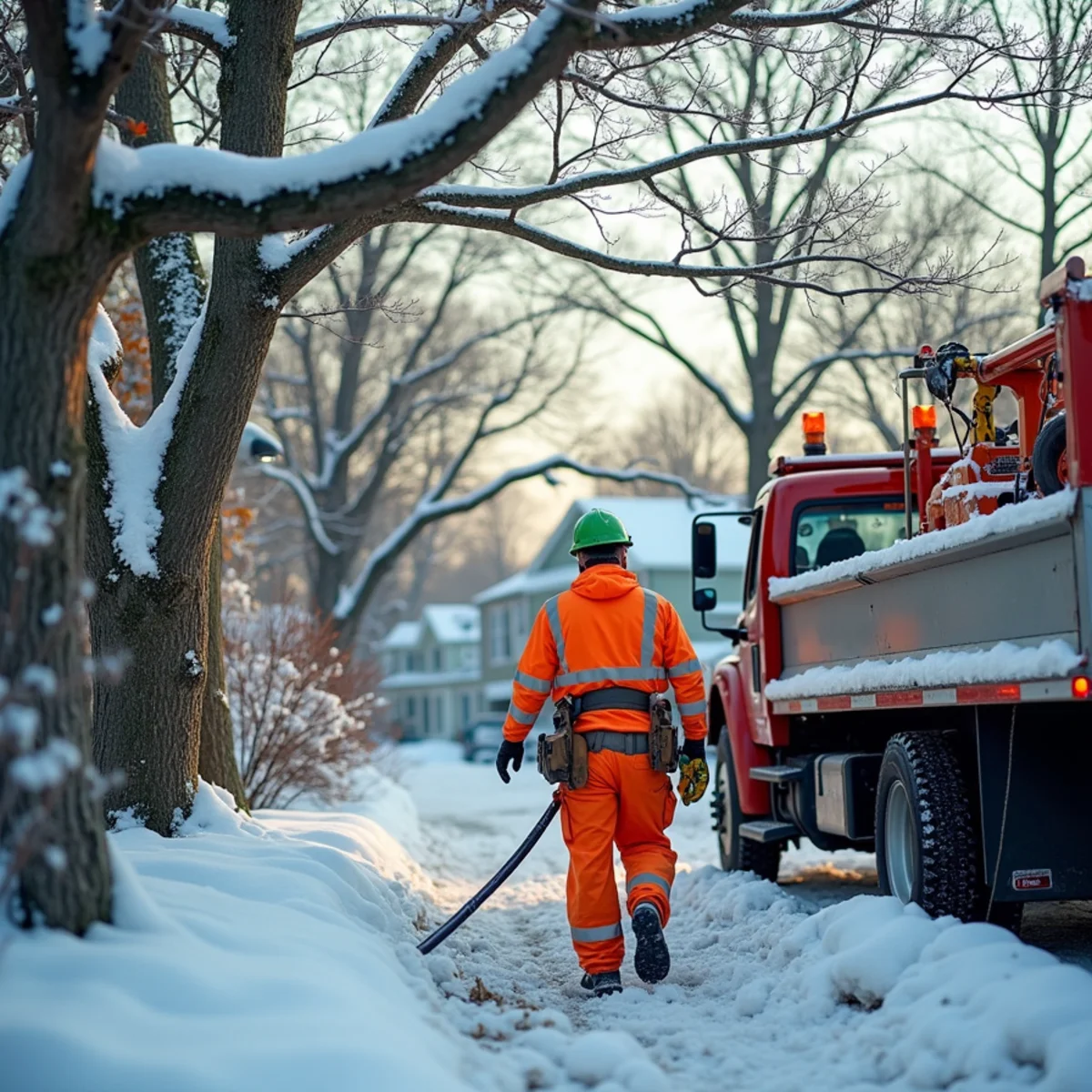
Not every tree can simply be cut down in New Jersey. Many municipalities — particularly in Mercer and Middlesex counties — regulate the removal of larger or street-adjacent trees, and removing one without the right approval can mean fines and mandatory replacement planting. Here is what homeowners should understand.
Permit rules also feed into the practical questions owners ask most — what a removal will cost once approval and any replacement planting are factored in, and how the rules protect century-old heritage oaks.
Who Regulates What
New Jersey towns regulate trees in a few overlapping ways. A local shade tree commission or ordinance may govern street trees and trees over a certain diameter. Land-development rules can require certified-arborist review before removals on certain properties. And some towns require a permit and replacement or mitigation plantings for removing mature trees. Rules vary widely from one municipality to the next.
Mercer County Realities
In Princeton, protected specimen hardwoods and strict municipal ordinances mean some removals need certification and approval. In Trenton, land-development rules can require certified-arborist certification and Zoning Officer permission for certain mature-tree removals, with replacement planting sometimes applying. Across the rest of Mercer County, requirements differ town by town.
How We Keep You Compliant
Before we remove a regulated tree, we help verify the applicable requirement with the municipality — the zoning officer, public works, or shade tree commission — so you are never caught off guard. Our tree removal scope notes any permit, certification, or replacement obligation up front. For ongoing properties, folding this into a care plan or commercial management agreement keeps everything documented.
What to Ask
Before removing a mature tree, ask: Does the property fall under a shade tree or land-development requirement? Is certified-arborist review or replacement planting required? Who confirms the requirement with the town? A reputable contractor will have answers — or get them — rather than just cutting.
Not sure whether your tree needs a permit? We’ll check with the town before any work begins.
How the Permit Process Usually Works
- Check the rule. Confirm whether your town regulates the tree (by size, species, or street-adjacency) or whether it sits in a protected buffer.
- Apply if required. Some removals need an application, an arborist assessment, or Zoning/Shade Tree Commission sign-off.
- Plan mitigation. Replacement planting or a fee-in-lieu may apply for mature trees.
- Remove and document. Keep the approval on file.
Which Trees Are Most Likely Regulated
- Street trees and trees in the public right-of-way
- Trees over a set diameter (varies by town)
- Trees in stream buffers, on steep slopes, or in conservation easements
- Specimen or historic trees in towns like Princeton
Before removing a mature tree anywhere in Mercer County, we verify the requirement with the municipality — part of our tree removal and care process. Call (855) 615-0568 and we'll check before any cut.
What Regulation Looks Like Town to Town
New Jersey doesn't have one tree law — it has a patchwork, and it changes at the municipal line. Some towns regulate only street trees in the public right-of-way. Others require a permit and an arborist assessment for any private removal over a set diameter. A few, particularly those with active shade tree commissions, add replacement-planting or fee-in-lieu requirements for mature trees. The practical upshot: the same removal that needs nothing in one township needs paperwork and a replacement tree one town over.
Protected situations tend to cluster around a few themes — specimen and historic trees in towns like Princeton, trees in stream buffers or on steep slopes, and anything in a conservation easement. If your property touches any of those, assume there's a process and verify it before scheduling work.
How we keep you compliant
- We check the tree against the municipality's rules before quoting the removal.
- Where a permit or assessment is required, we tell you what's involved and help gather it.
- If replacement planting or mitigation applies, it goes in the scope so there's no surprise obligation later.
- You keep the approval on file — useful if a neighbor or the town ever questions the work.
This is simply part of how we handle removals and ongoing care across Mercer County. The cost of confirming a requirement is a phone call; the cost of ignoring one can be a fine plus a mandated replacement. We'd rather make the call.
Street Trees, the Right-of-Way, and Who Really Owns Them
One of the most common surprises for New Jersey homeowners is learning that the tree in front of their house may not be theirs to cut. Many street trees stand in the public right-of-way — a strip along the road that belongs to or is controlled by the municipality — even though it looks like part of your yard. Removing or heavily pruning a right-of-way tree without authorization can bring fines, and in towns with an active shade tree commission, it can trigger replacement requirements on top.
Even fully on-your-property trees can be regulated once they pass a size threshold or sit in a protected feature like a stream buffer or steep slope. The rules genuinely vary town to town across Mercer County and the surrounding areas, so the safe assumption is that a mature-tree removal might require a permit until you've confirmed otherwise.
The good news is that confirming is quick, and we handle it. Before quoting a removal we check the tree against the municipality's rules, tell you whether a permit, arborist assessment, or replacement planting applies, and fold any obligation into the scope so nothing surprises you later. That way you get the work done cleanly and keep the approval on file — useful if the town or a neighbor ever asks. It's simply part of how we run removals and tree care. When in doubt, call (855) 615-0568 and we'll check before any cut.