Prevention & Maintenance
7 Warning Signs Your Tree Is Dying or Dead — NJ Guide
By Master Tree RemovalAugust 12, 20267 min read
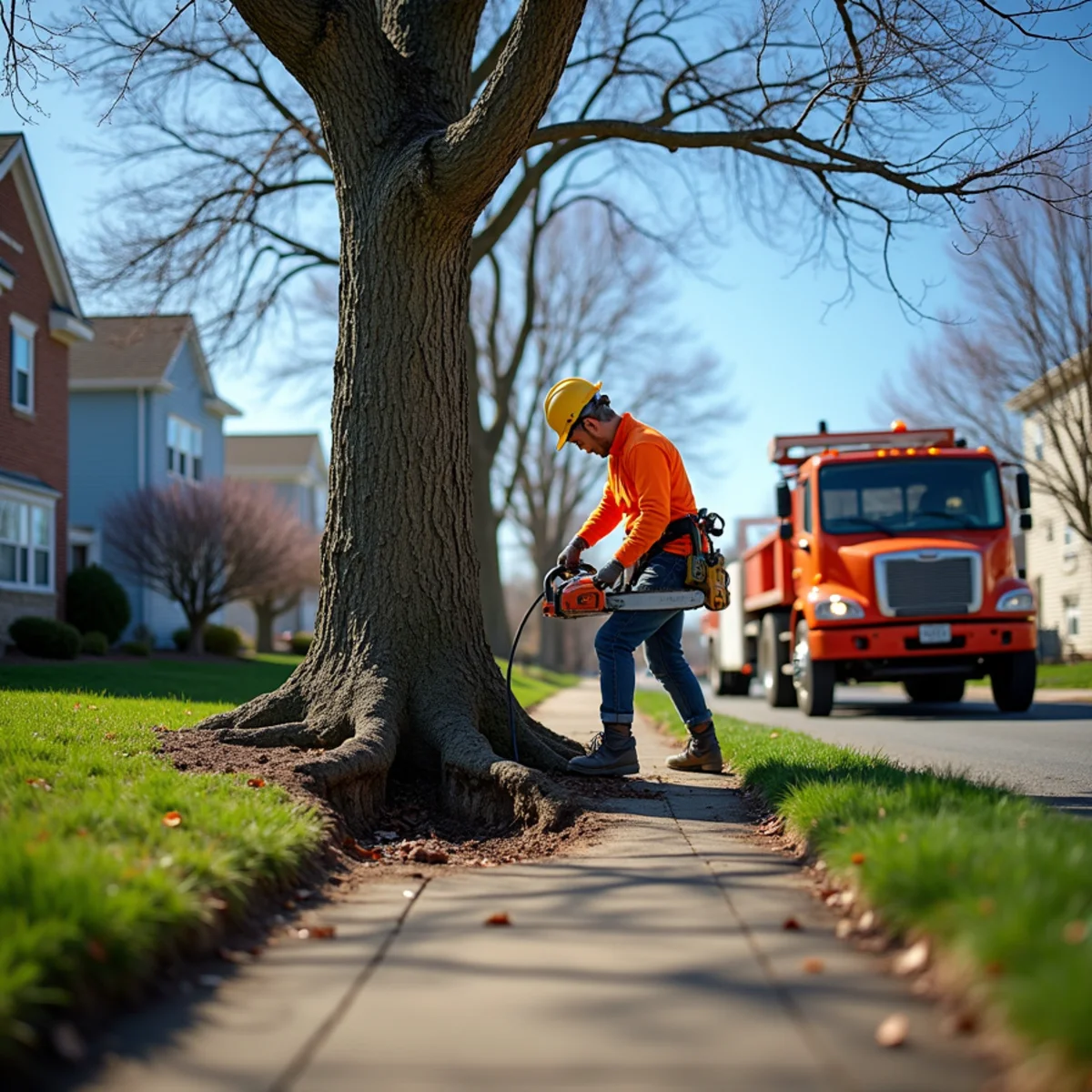
A tree is likely dying or dead when it shows several warning signs at once — a bare or thinning canopy, brittle deadwood, bark falling away, fungal growth at the base, or a new lean. One symptom alone rarely means the end, but a combination signals a tree that may be a hazard and worth a professional look before it fails on its own.
Some of these signs point to specific, well-known problems: if it's an ash, learn how to spot a dead ash from emerald ash borer, and an annual check under a maintenance plan catches most decline while it's still cheap to address.
7 Signs Your Tree Is Dying or Dead
- A thinning or bare canopy. Sparse leaves, or branches that never leafed out this year, while the rest of the tree is full.
- Brittle deadwood. Branches that snap cleanly with no give and show dry, gray wood inside.
- Bark loss and cracks. Peeling or missing bark, vertical seams, or smooth bare patches on the trunk.
- Fungus and conks. Mushrooms or shelf fungi at the base or on the trunk — a common sign of internal decay.
- A new or worsening lean. Especially with lifted or cracked soil on one side of the base.
- Sparse or off-color foliage. Undersized, yellowed, or early-dropping leaves signal a struggling tree.
- Trunk and root damage. Cavities, oozing wounds, exposed roots, or fungal mats at the root flare.
Dying vs. Dead vs. Just Stressed
Not every struggling tree needs to come down. A stressed tree — from drought, construction, or a bad pruning — can often recover with care. A dying tree in slow decline may be manageable for a season or two. A dead tree, especially one that's gone brittle, is a hazard: its wood fails unpredictably, which is exactly why removing it is a specialist job. A qualified assessment tells you which category you're in.
Expert Insight: The "Scratch Test" and When to Call
A quick field check: scratch a small twig with your thumbnail. Green and moist underneath means that branch is alive; brown and dry means it's dead. Do it on a few branches around the canopy — widespread brown is a bad sign. But a scratch test can't judge internal decay or root failure, and it can't tell you if a leaning tree is about to go. When a tree threatens people, a structure, or a utility, skip the guesswork and get a professional assessment. For ash specifically, borer-killed wood turns dangerous fast — see our dead ash removal service.
What to Do Next in Trenton & Mercer County
If you spot several of these signs on a tree in Hamilton, the Hopewell foothills, or anywhere in the region, keep people and vehicles from beneath it and book an inspection. A care plan keeps healthy trees healthy and flags the failing ones early. Call (855) 615-0568 for a straight answer on your tree.
What to Do the Moment You Spot the Signs
- Keep people and vehicles clear. If the tree shows deadwood or a lean over a driveway, patio, or play area, stop parking and playing beneath it.
- Document it. Photograph the canopy, trunk, and base from a safe distance — useful for an arborist and for any insurance question later.
- Don't prune or cut it yourself. A declining tree can hold unexpected tension and brittle wood; see why DIY tree work is so dangerous.
- Get a professional assessment. Only a trained eye can judge internal decay, root failure, and whether the tree is savable.
Why Trees Decline in New Jersey
Understanding the cause helps you protect the trees you still have. The most common culprits we see across the region are drought stress in hot, dry summers; emerald ash borer, which has devastated ash across the state; construction damage, where grading or trenching severs feeder roots and slowly starves a tree years later; storm injury that opens wounds to decay; and root problems from compaction, girdling roots, or saturated soil near creeks and low ground.
Most of these are gradual, which is the good news: caught early, a stressed tree can often be turned around with root-zone protection, corrective pruning, and monitoring. Left alone, the same tree keeps declining until removal is the only safe option. That early-detection window is the entire reason a yearly inspection pays for itself.
Can You Prevent Tree Decline?
Often, yes — most decline is slow and at least partly preventable. Water deeply during summer droughts, especially for younger and newly planted trees. Mulch a wide, flat ring around the base (never a "volcano" piled against the trunk, which invites rot) to hold moisture and protect roots. Keep mowers and equipment away from the trunk and root flare, and avoid compacting or regrading the soil over the root zone during any landscaping or construction. Most importantly, get significant trees inspected once a year and after major storms — a trained eye catches early stress, decay, and pests while there's still time to act. Folding that into a residential care plan is the simplest way to keep healthy trees healthy and catch the failing ones before they become a hazard.
The bottom line: one warning sign is worth watching; several together mean it's time for a professional to look. A dying tree caught early can sometimes be saved, but a dead, brittle one over your home is a hazard that won't fix itself. When in doubt about a tree in the Trenton area, don't guess — call (855) 615-0568 and we'll tell you exactly where it stands and what it needs.