Emergency Guides
How to Spot Dead Ash Trees Killed by Emerald Ash Borer Before They Collapse
By Master Tree RemovalFebruary 4, 20267 min read
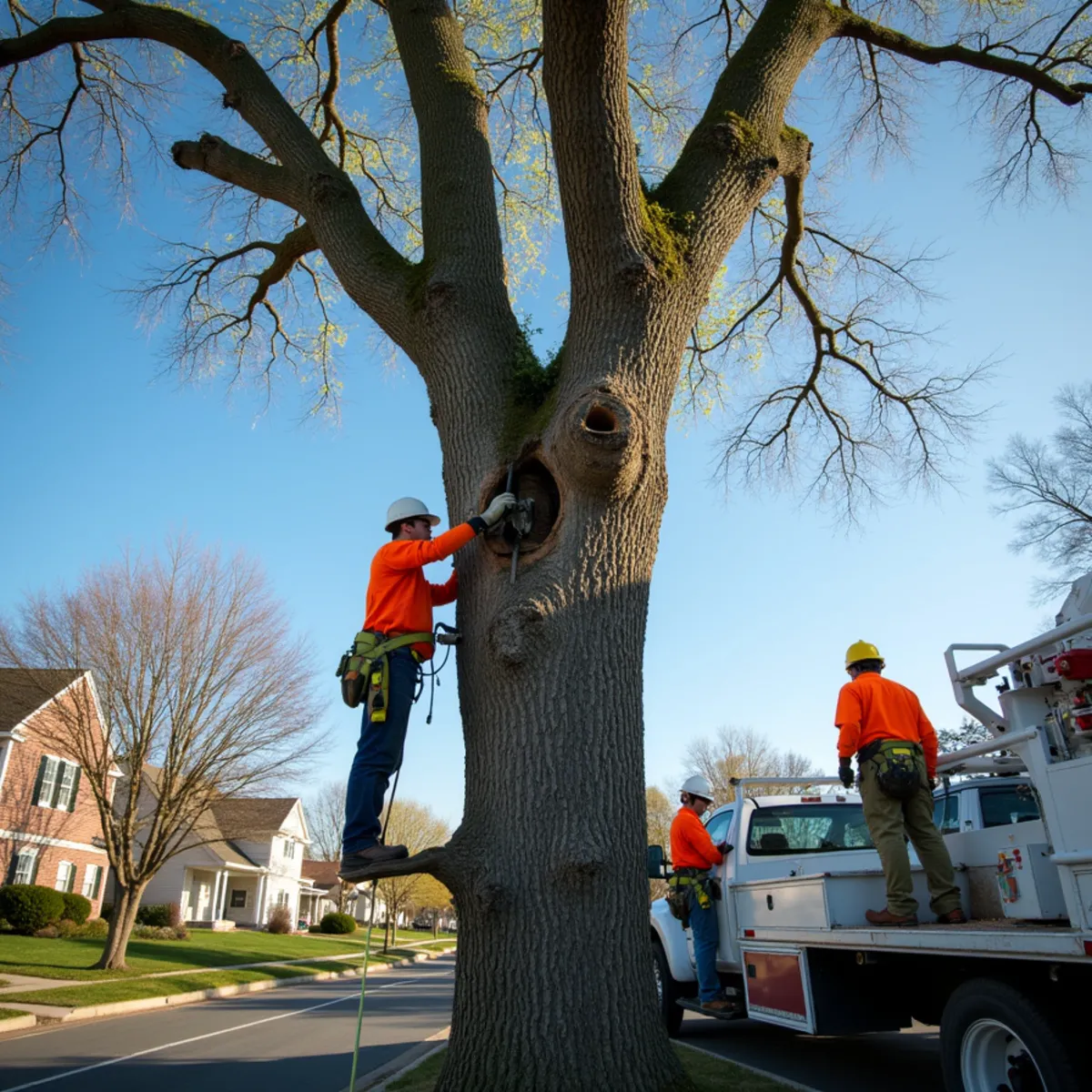
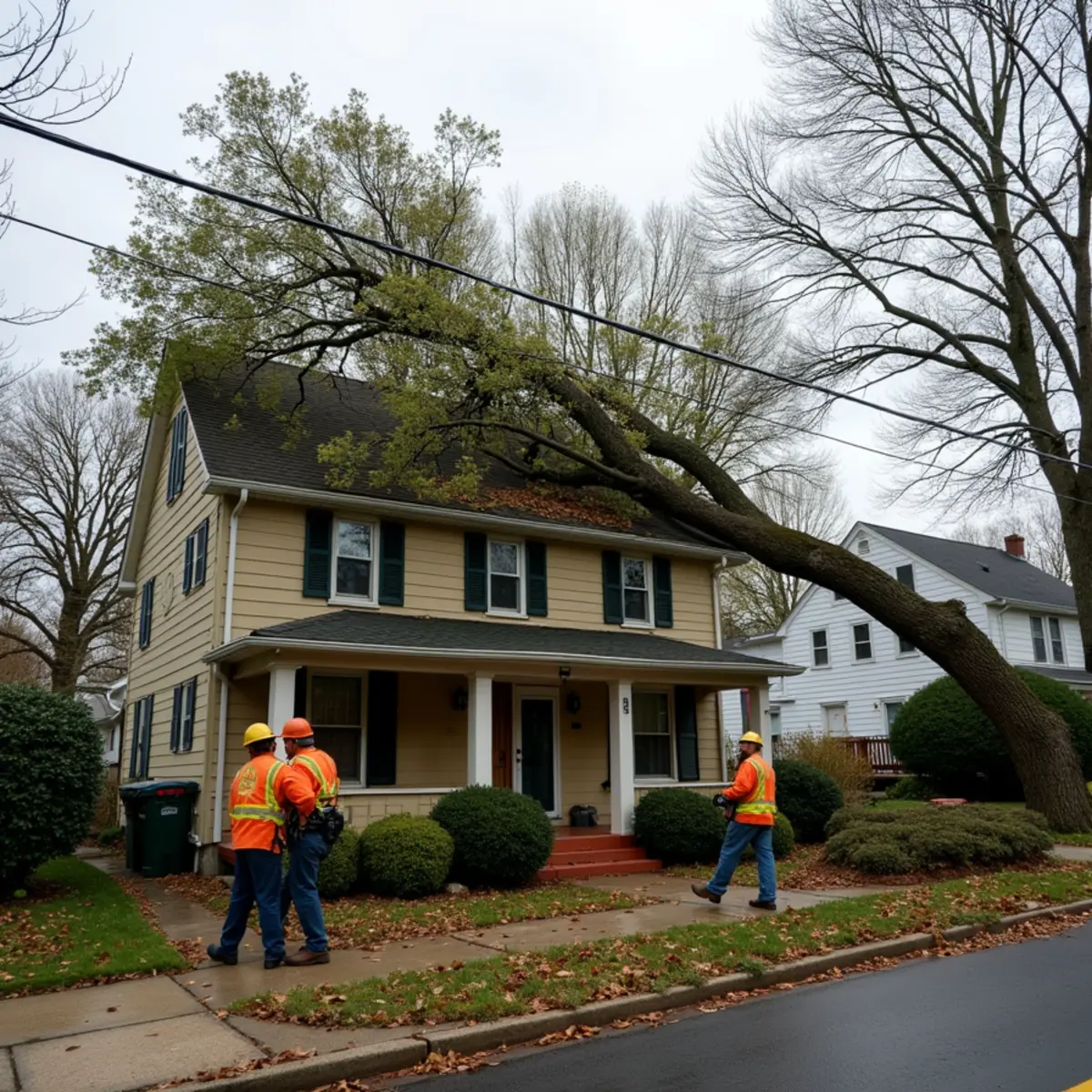
Emerald ash borer has swept through New Jersey, and it has left behind a hazard that is different from an ordinary dead tree. A borer-killed ash dries out and turns brittle unusually fast, so limbs and even whole trunks can shatter and drop with almost no warning. Knowing the signs lets you act before the tree becomes an emergency.
Catching a dead ash early is also a budget decision: removal gets more expensive the longer the wood stands, so it's worth understanding what tree removal costs in central NJ and folding ash checks into a pre-winter safety walk-through.
What to Look For
Start at the top. A thinning or bare upper canopy while the lower branches still push leaves is a classic early sign. Then check the bark:
- Bark splits: vertical cracks running down the trunk, often over S-shaped tunnels underneath.
- Blonding: patches where woodpeckers have stripped the outer bark to reach larvae, leaving a pale, flecked look.
- D-shaped exit holes: tiny, distinctive holes about an eighth of an inch across where adult beetles emerged.
- Epicormic sprouts: shoots erupting from the trunk and base, a stress response as the tree tries to survive.
One sign alone is not a diagnosis, but a combination — especially canopy dieback plus blonding and exit holes — strongly suggests an infested, declining ash.
Why Dead Ash Can’t Wait
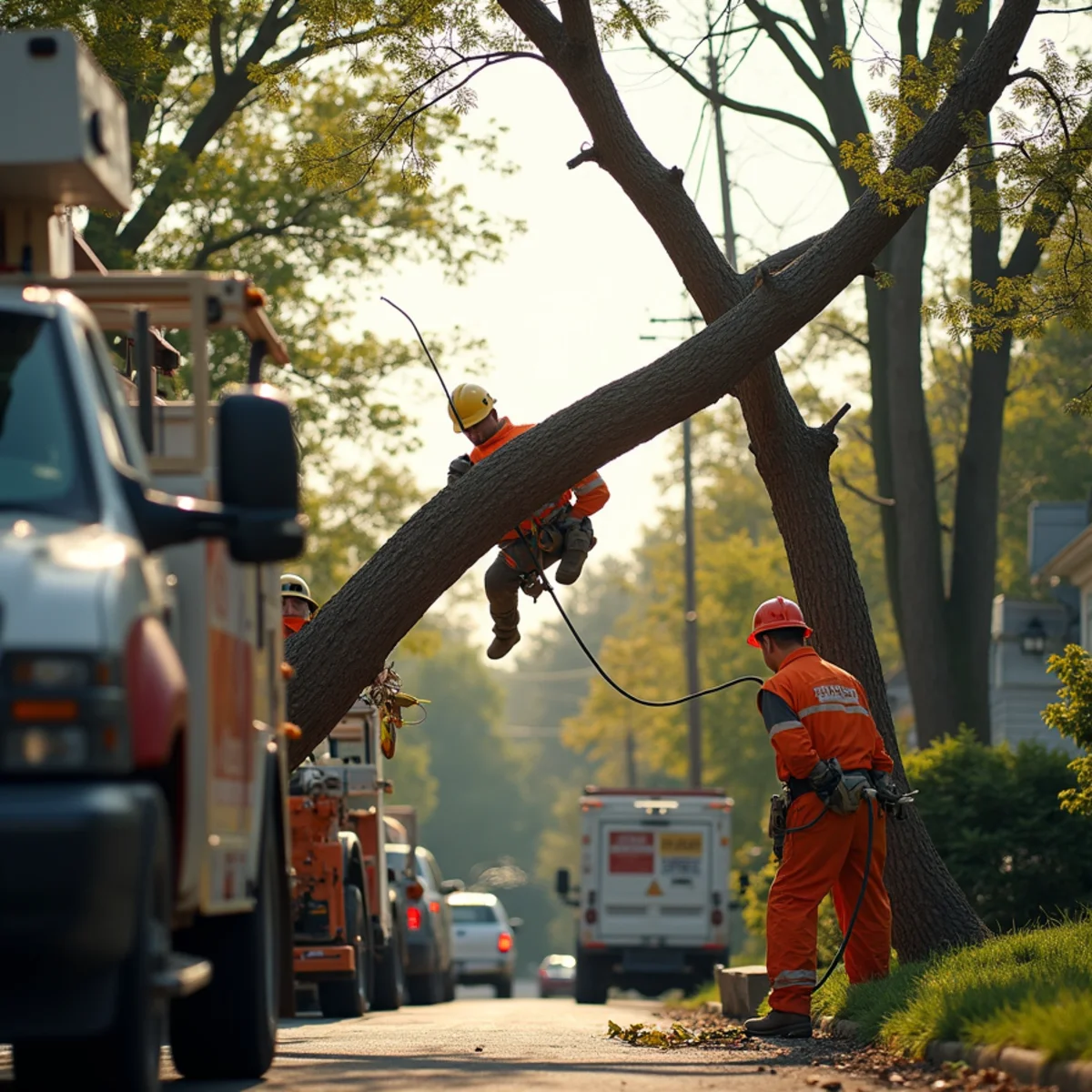
A living tree flexes under load and holds together. A borer-killed ash does the opposite: the wood loses strength and fails suddenly and unpredictably. That makes climbing a dead ash far riskier than climbing a healthy tree, which is why emerald ash borer and diseased tree removal is often best done with crane assistance and specialized technique — and why waiting a season only makes the job more hazardous and expensive.
Where We See It Most
The Sourland Mountain foothills around Hopewell have seen severe ash dieback, and mature street ash in Hamilton and across the region are steadily declining. Fencerows and farm woodlots hold entire groves of dead ash. If you have an ash on your property, it is worth a professional look.
What You Can Do
If you suspect a dead or dying ash, keep people and vehicles from parking or playing beneath it and call for an assessment. Healthy or lightly affected ash can sometimes be protected with treatment, but that is a preventive measure — not a rescue for a tree that is already brittle. Once significant dieback has occurred, safe tree removal is usually the right answer. Folding ash inspection into a residential tree care plan keeps the problem from sneaking up on you.
Not sure whether your ash is a hazard? We’ll inspect it and give you a straight answer.
Treat or Remove? The Honest Math
Treatment (a systemic insecticide applied on a cycle) can protect a healthy ash, but it's a commitment, not a one-time fix, and it's only worthwhile on a structurally sound tree you want to keep. Once a canopy shows significant dieback, treatment won't rebuild the wood that's already gone brittle — removal is the safe answer. As a rule of thumb, if more than about a third of the canopy is dead, you're past the point where treatment makes sense.
Waiting also costs money. A standing-but-sound ash can be climbed and rigged like any tree. A dead one is a crane job because the wood can shatter under a climber — so the same tree gets more dangerous and more expensive every season it stands.
How a Borer-Killed Ash Fails
- Year 1–2: Canopy thins from the top; woodpeckers strip bark (blonding).
- Year 2–3: Bark splits, fine twigs drop, epicormic sprouts erupt on the trunk.
- Year 3+: Wood dries and turns brittle; whole limbs and tops fail without warning.
If you have an ash on the property in Hamilton, Hopewell, or anywhere in the region, keep people and cars from parking beneath it and get it assessed. Call (855) 615-0568.
What Removal of a Dead Ash Actually Involves
Taking down a borer-killed ash is not a routine removal, and the difference is all in the wood. A healthy tree flexes; a climber can set anchors and rig confidently because the fibers hold. Dead ash does the opposite — it dries, checks, and turns glassy, so a limb that looks solid can explode at the cut or drop a section without warning. That's why our crews often reach for a crane on a large dead ash: it keeps the climber out of the brittle canopy and lifts sections cleanly instead of shock-loading them onto a rope.
The longer an ash stands dead, the more this matters. Year over year the wood loses strength, the bark sloughs off, and what would have been a straightforward climb becomes a specialized, higher-cost job. This is the core reason we tell homeowners not to "wait and see" on a confirmed dead ash — waiting doesn't save money, it adds risk and cost.
Disposal and what comes next
- Keep the wood local. New Jersey guidance discourages moving ash firewood long distances to avoid spreading the borer. We chip and haul or process it on site.
- Grind the stump if you plan to replant or reclaim the spot — see our stump grinding service.
- Replant with diversity. The ash monoculture along many NJ streets is exactly why the borer spread so fast; mixing species protects the next canopy.
If you're not sure whether your tree is a treatable ash or a hazard already past saving, that judgment is the whole point of an assessment. We'll tell you honestly which one you have.
What to Do If You Think You Have an Infested Ash
First, confirm it's actually an ash. The tree has compound leaves with five to eleven leaflets, opposite branching, and a distinctive diamond-patterned bark on mature trunks. Emerald ash borer attacks ash almost exclusively, so identification is step one — plenty of "dying trees" we're called about turn out to be something else with a different problem entirely.
If it is an ash and you're seeing canopy thinning plus woodpecker blonding, treat it as a developing hazard. Keep cars from parking beneath it and steer the kids' play elsewhere, because the first thing to fail is usually a dead lateral over exactly the spot people gather. Then get it assessed while you still have options — a lightly affected, structurally sound ash may be a candidate for treatment, while one already past a third dieback is a removal.
One more piece homeowners underestimate: the neighborhood picture. Ash was planted heavily along New Jersey streets for decades, so an infested tree in your yard usually means the borer is working through every ash on the block. That's worth knowing when you budget — if you have several ash trees, staging their removal over a season or two while they're still sound is easier on both the schedule and the wallet than waiting until they're all brittle at once. A quick inspection sorts out which are treatable, which can wait, and which need to come down now. Call (855) 615-0568.