
Prevention & Maintenance
Spring Post-Thaw Yard Recovery: Clearing Frost-Cracked Limbs and Storm Debris
By Master Tree RemovalJune 3, 20265 min read
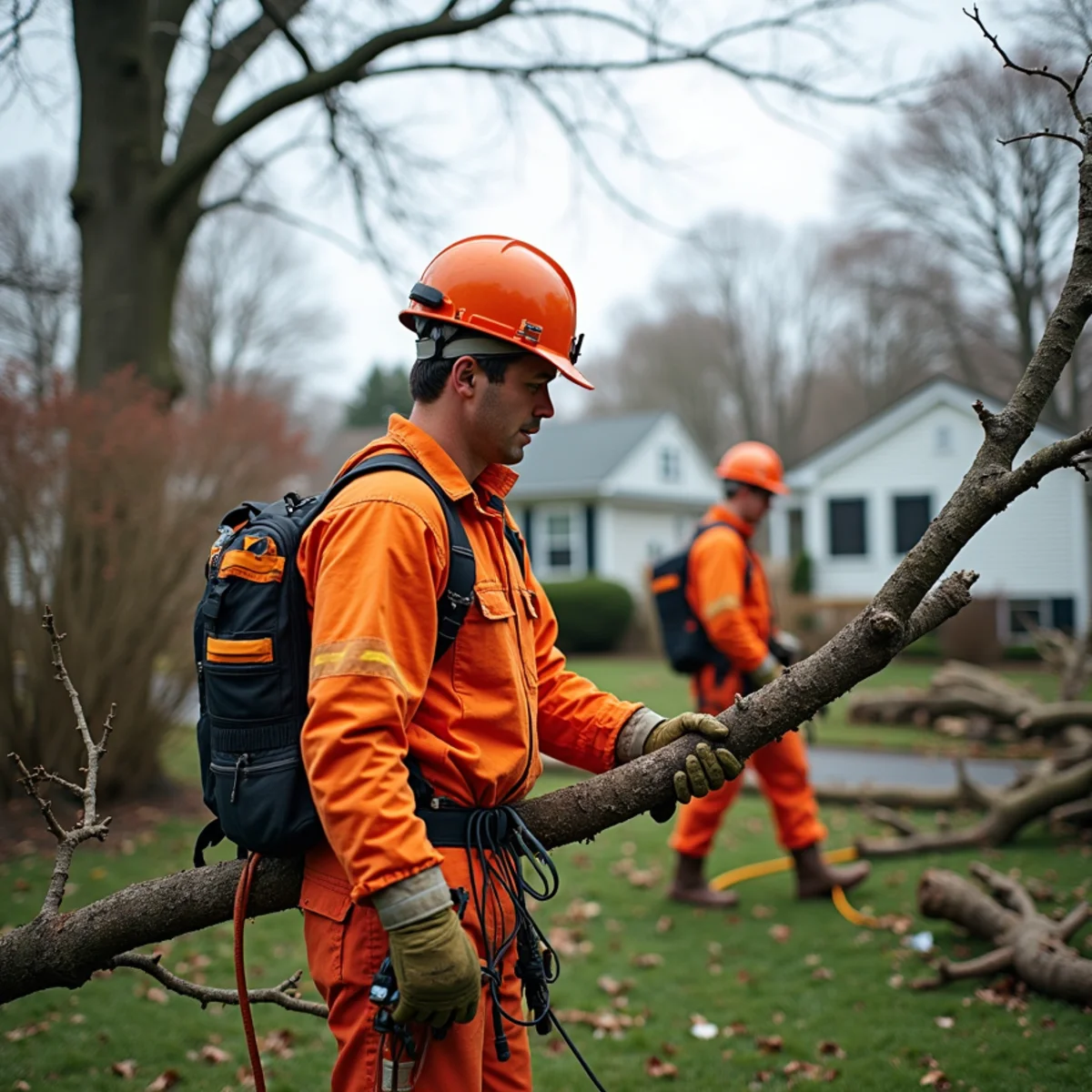
Spring in New Jersey reveals what winter did. As the snow melts and the ground thaws, yards emerge littered with fallen branches — and trees carry hidden damage from months of freeze, thaw, and wind. A proper spring recovery does more than tidy up; it catches problems before they become summer emergencies.
Spring recovery is the bookend to winter prep — it picks up where the pre-winter checklist left off, and it slots neatly into an ongoing tree maintenance plan.
Clear the Debris
Start with the obvious: fallen limbs, brush, and winter litter scattered across the property. Our complete yard care crews clear and haul it all, restoring the yard so you can enjoy the season rather than spend it dragging branches to the curb.
Look for Frost-Cracked and Hung-Up Limbs
Freeze-thaw cycles open cracks in limbs and trunks, and winter wind leaves broken branches lodged in canopies. These do not heal — they wait. A hung-up limb over the patio is a summer accident in the making. Our pruning crews remove cracked and dangling limbs and clean up the wounds so the tree can seal them.
Check for Storm and Root Damage
Look for a new lean, lifted soil, or exposed roots — signs that a winter storm loosened a tree’s footing. Wet spring soils near creeks and low ground make this worse. Anything over a structure or walkway deserves a professional assessment before the growing season adds weight to the canopy.
Set the Year Up Right
Spring is the ideal time to shape young trees, remove deadwood, and plan the year’s care. In dense-canopy areas like Hamilton and the river neighborhoods of Ewing, a spring visit sets trees up to handle summer thunderstorms. If winter left major damage, our storm recovery crews handle the heavy lifting.
Ready to reclaim your yard this spring? Call us for a full post-winter cleanup.
Your Spring Tree Recovery List
- Clear the debris — fallen limbs, brush, and winter litter, hauled off.
- Remove frost-cracked and hung-up limbs before they drop in a spring storm.
- Check for root and lean issues from winter freeze-thaw and saturated ground.
- Shape and deadwood young trees to set structure for the year.
Why Freeze-Thaw Damage Hides Until Spring
Winter opens cracks in limbs and trunks that don't show until the tree leafs out unevenly or a weakened limb finally lets go. Wet spring soil near creeks and low ground also loosens root plates. A spring walk-through catches both while they're cheap to fix. Our yard care and pruning crews handle the cleanup and the cracked limbs in one visit across Hamilton and Ewing. Ready to reclaim your yard? Call (855) 615-0568.
Reading the Damage Winter Left Behind
Spring is when trees hand you the bill for winter. Some of it is obvious — the yard littered with brush and the limbs that snapped under ice. The costly part is what's not obvious: the cracks that freeze-thaw opened in a limb that's still attached, the hanger lodged high in the canopy that the next storm will drop, the subtle lean from a root plate that shifted in saturated February ground. A tree that "made it through winter fine" often has a defect that only shows once it tries to leaf out.
The tell is uneven bud-break. A limb that leafs out late, sparsely, or not at all is usually a limb that lost its connection over the winter — cracked, girdled, or dying back. Catching that in April, while it's a simple pruning cut, beats catching it in July when it drops on the patio.
A productive spring sequence
- Clear and haul the fallen limbs, brush, and winter litter so you can actually see the trees and the ground.
- Remove hangers and cracked limbs before spring storms finish the job for you.
- Check for movement — lean, lifted soil, exposed roots — especially on low or creek-adjacent lots.
- Shape the young trees and remove deadwood to set good structure for the growing season.
Because our crews handle the cleanup and the tree work in one visit, you're not coordinating two contractors to reclaim the yard. From Hamilton to Ewing, a proper spring recovery sets the tree up for a healthy season and takes the hidden hazards off the table before summer thunderstorms arrive.
Setting Your Trees Up for a Healthy Season
Spring cleanup isn't just about clearing winter's mess — it's the moment to set the year's trajectory for your trees. Once the debris is gone and you can see structure, a few well-timed moves pay off all season. Light structural pruning on young trees now shapes strong form for decades; removing the deadwood and cracked limbs winter created takes the summer-storm hazards off the table before the thunderstorms arrive; and a look at the root zones catches the saturated-soil problems that spring rain exposes.
Timing is the one thing to get right. The sweet spot is after the ground firms up but before full leaf-out, when structure is still visible and the tree is gearing up rather than winding down. Prune too late into heavy spring growth and you're cutting into the tree's energy push; wait until summer and you've missed the window to remove hazards before storm season. For most of the county, that means an early-to-mid spring visit.
One caution: hold off on heavy pruning of spring-flowering trees until after they bloom, and time any oak work around oak-wilt risk. A good crew knows these species-specific windows — it's part of pruning correctly rather than just cutting. Because our crews handle the cleanup and the pruning in one visit across Hamilton and Ewing, you reclaim the yard and set the trees up for the season without juggling two contractors. Ready for a proper spring reset? Call (855) 615-0568.